
Here Luke presents accounts that do not follow a formal chronology. He offers an argument structured according to a precise logic. This theme is developed in the section titled: . It is worth considering Luke's purpose when studying these chapters.
L’
We saw in the previous pericopes (PER224 and PER225) that the have changed their strategy but keep the same goal, the death of the Messiah Jesus. This phenomenon illustrates the differences of opinion within the .
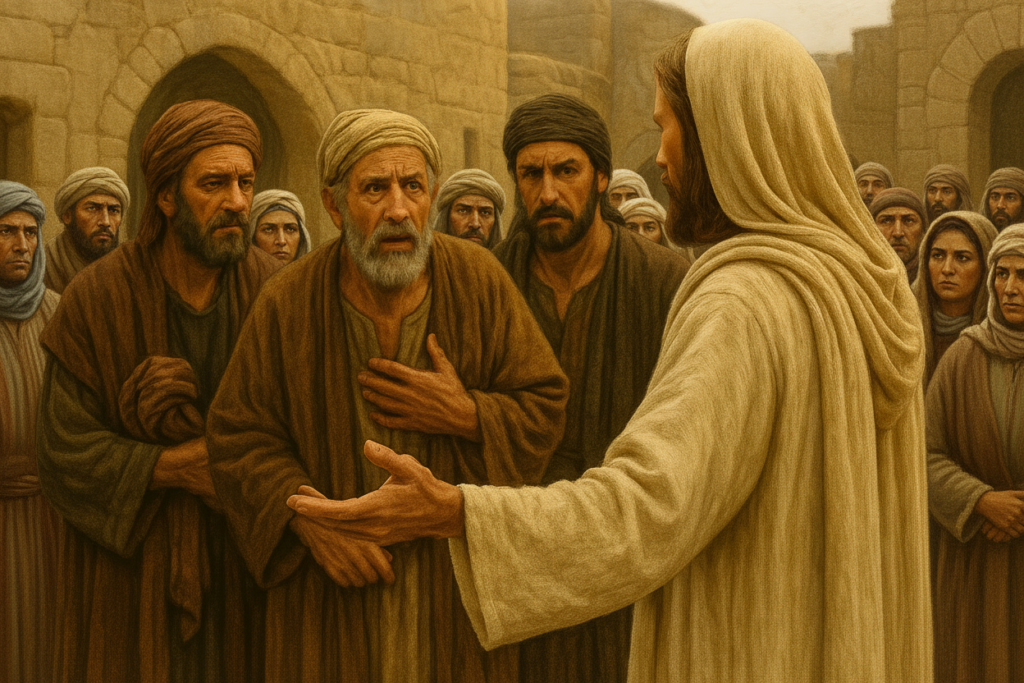
People had gathered in front of the Pharisee's house, which fits the customs of the time. The people could watch the notables eat in the inner courtyard of their homes and appreciate the quality of the guests.
Probably at the end of the meal, these people call out to the Messiah Jesus about a tragic event that they consider unjust. It concerns a massacre carried out by Pilate, the governor.
Galileans who had come to offer sacrifices at the Temple were killed. Their blood was mingled with that of the sacrifices, which is an extreme desecration in Jewish thought. There is no precise historical account of this event, but it remains consistent with the brutal character of Pilate, known for his violent repression according to the information given by Flavius Josephus.
The Messiah Jesus uses this tragic fact to turn attention away from judging the victims and to call for personal conversion:
He rejects the idea that misfortunes are always the fruit of a personal sin (John 9.2), and calls for spiritual introspection.
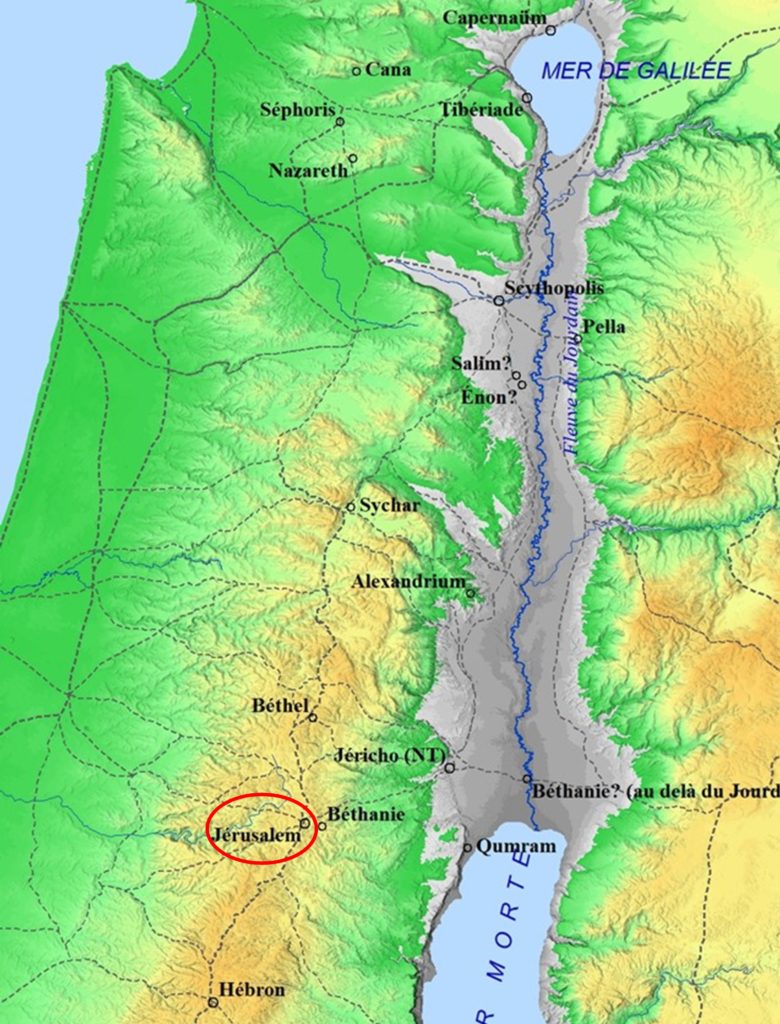
The Messiah Jesus taught the crowds that calamities can befall anyone, because all are human. The Messiah Jesus cited two common examples of destruction. The first concerned certain Galileans who had been put to death by Pilate while they were offering sacrifices. The second concerned eighteen apparently innocent passers-by on whom the tower of had fallen.
The Messiah Jesus showed by this that being killed or not did not determine whether one was righteous or not. Anyone can be killed. Only the grace of God allows someone to live. This point is underlined in the verses Luke 13.3 and Luke 13.5, which state: "but unless you repent, you will all likewise perish. Death is the common denominator for all. Only repentance gives life as people prepare to enter the kingdom.
This text urges us to abandon a simplistic view of misfortune as divine punishment (John 9.2-3). It invites us to introspection: instead of looking for culprits, the Messiah Jesus calls us to turn to God, to change our lives, and not to put off until tomorrow what can be done today.