
Does this event take place immediately after the discourse of Jesus the Messiah (PER122, PER123 and PER124), or the following day, or even a few days later?
Luke 11.29, by mentioning that the crowd was gathering, suggests that this was a different day.
Some and teachers of the law are present to witness a miracle personally.
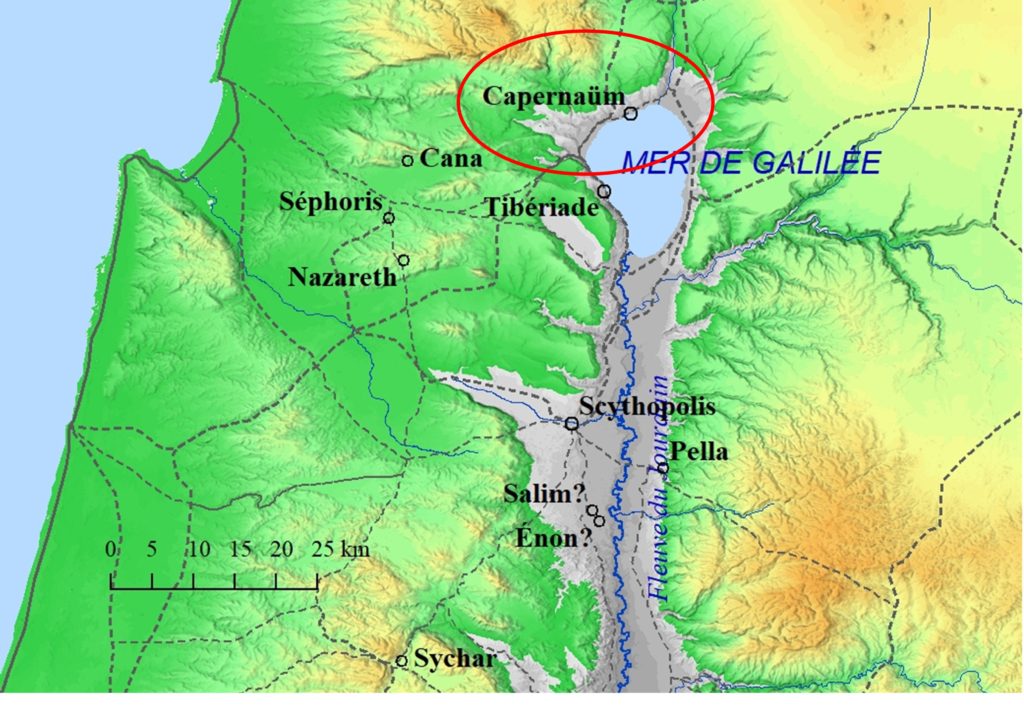
This question prompts a reaction from Jesus, since he has already performed many miracles in the Capernaum region. It is reasonable to ask whether one more miracle would really provide new evidence.
Jesus the Messiah was not interested in spectacular displays, and each miracle he performed had a specific purpose, never aiming to satisfy the curiosity of certain individuals.
He will act similarly with Herod Antipas, who also wanted to see miracles (Luke 23.8), and with those who will ask him to come down from the cross so that they can believe in him (Matthew 27.40-42).
Miracles are not Jesus' main objective as the Messiah, nor proof of his messiahship; the message of the Gospel is central.
Jesus the Messiah does more than simply refuse: he points to the miracle of Jonah as his only answer. About two decades will pass before detailed explanations can be found in Luke's account.
We should emphasize that this reference by Jesus the Messiah to the story of the prophet Jonah confirms the truth of these events, which were widely acknowledged at that time.
Following Jonah's preaching, the people of Nineveh repented (Jonah 3.5). By contrast, the people of Capernaum have no excuse for remaining in unbelief. Although Jonah performed no miracles, his message was accepted. Here, however, the Son of God proclaims the Gospel accompanied by miracles, yet the people still do not repent. What further evidence would be needed?
According to Matthew 12.41, all these people will have to give an account, for they will be compared with the people of Nineveh. Furthermore, Jesus the Messiah is presented as greater than the prophet Jonah.
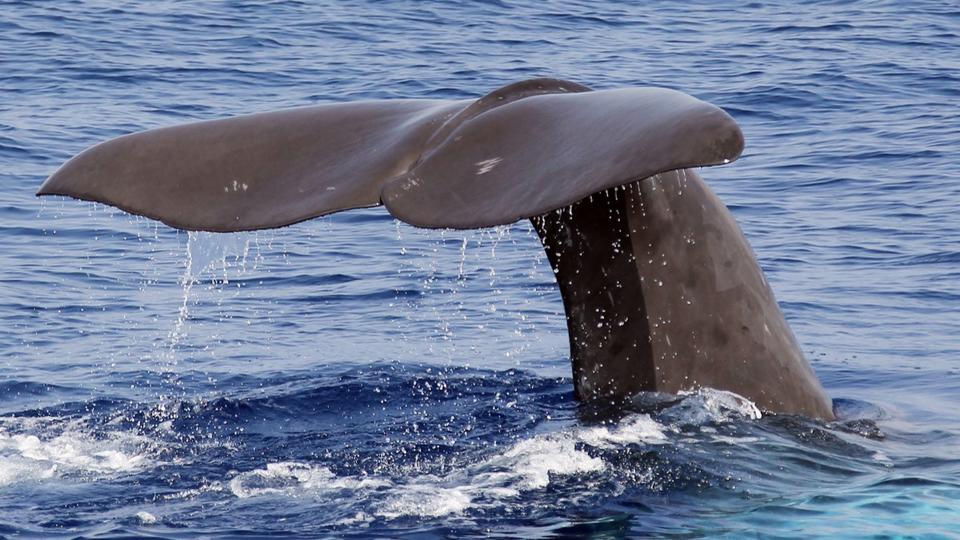
But what sign is Jesus the Messiah speaking of? In fact, he will give them the opportunity to witness a miracle. By recalling the three days and three nights the prophet Jonah spent in the belly of the fish, he refers to his own death and resurrection, an extraordinary event.
In the appendix ANN035 entitled: The three days and three nights, we provide a detailed explanation of this significant text in relation to the figure of Jonah.
We observe a distinctive attitude in Jesus, particularly emphasized by Matthew, who directly addresses the opposition of the religious authorities. Indeed, the relationship between Jesus and the now seems to be deteriorating, creating an increasingly confrontational atmosphere.