
PER126

The unclean spirits

This article explores Jesus' teaching on unclean spirits, highlighting the importance of true conversion and the presence of the Holy Spirit in preventing a spiritual relapse after deliverance.

6 min unclean spirits Matthew conversion 7 verses 3 books

See also

Bible texts

Matthew
Matthew 12.43-45 (King James Version)

When the unclean spirit is gone out of a man, he walketh through dry places, seeking rest, and findeth none.

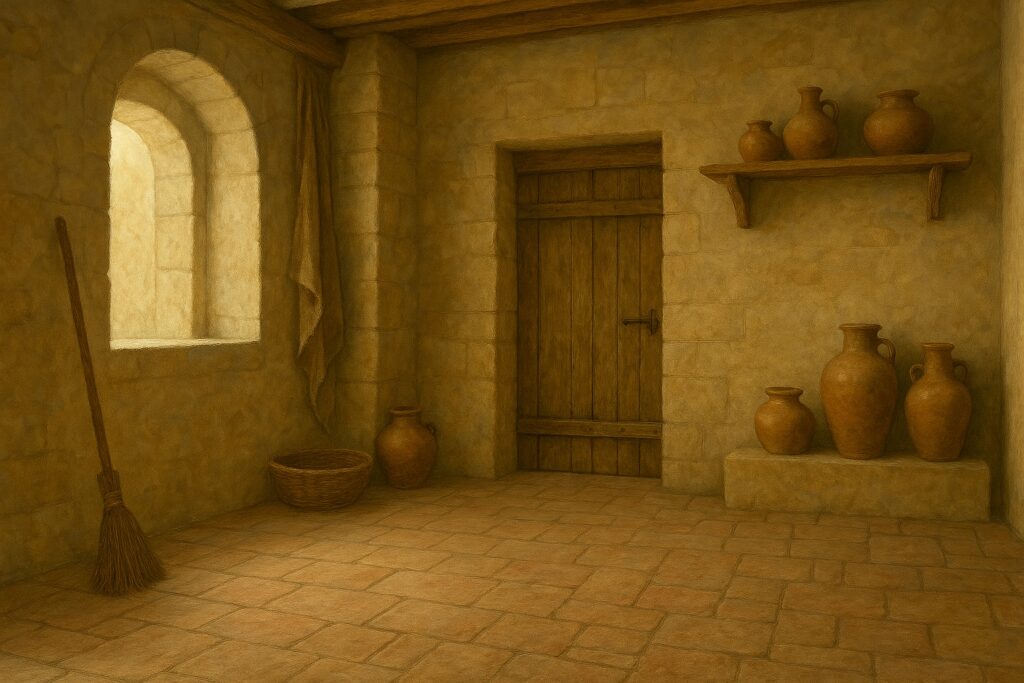
Then he saith, I will return into my house from whence I came out; and when he is come, he findeth it empty, swept, and garnished.

Then goeth he, and taketh with himself seven other spirits more wicked than himself, and they enter in and dwell there: and the last state of that man is worse than the first. Even so shall it be also unto this wicked generation.

Mark
Mark (King James Version) not mentioned in the book
Luke
Luke 11.24-26 (King James Version)

When the unclean spirit is gone out of a man, he walketh through dry places, seeking rest; and finding none, he saith, I will return unto my house whence I came out.

And when he cometh, he findeth it swept and garnished.

Then goeth he, and taketh to him seven other spirits more wicked than himself; and they enter in, and dwell there: and the last state of that man is worse than the first.

John
John (King James Version) not mentioned in the book

Technical details

Bar chart for the year 31

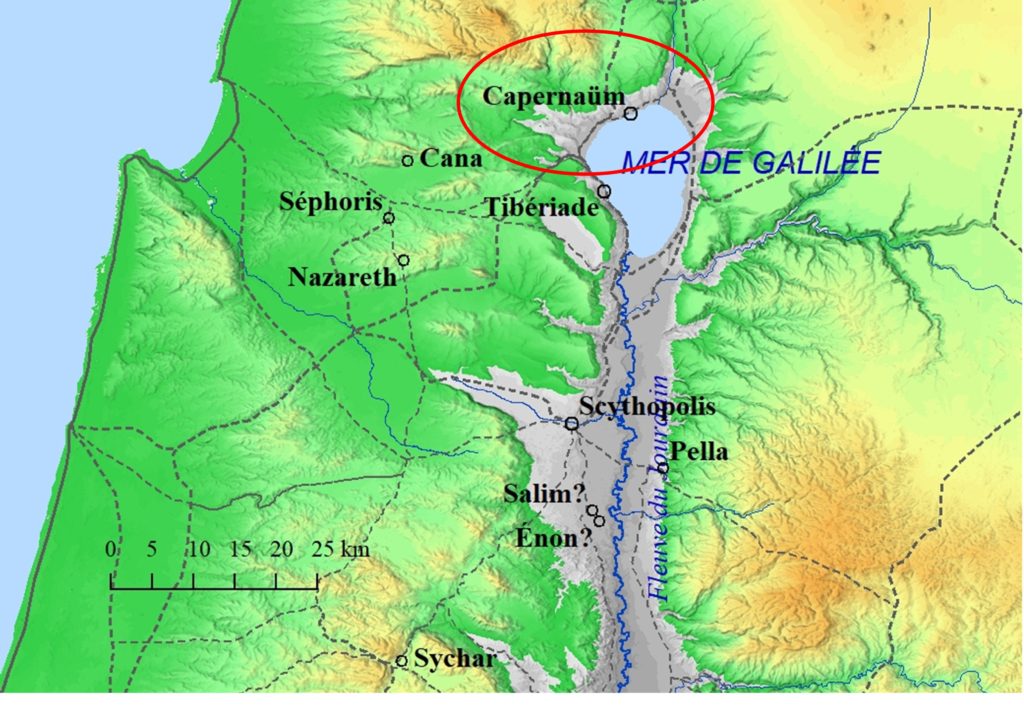
Place: Near the house in Capernaum in Galilee.

Date: October or November AD31

Method: We continue with Matthew

Note on the approach: Luke follows the same chronology.

Capernaum

Jesus the Messiah explains what happens when a person is freed from an evil spirit..

The unclean spirits

A tidy house

Commentary

Matthew's text addresses a teaching on unclean spirits, seemingly bringing together several discourses given by Jesus the Messiah on various occasions. The Gospels recount several episodes in which Jesus the Messiah casts demons out of people (Matthew 8.24-34, Mark 1.23-26, Mark 5.1-20, Luke 8.2 and Luke 4.41).

These acts, performed in public, seemed to be well received by those who witnessed these miraculous deliverances. Jesus the Messiah addresses these instances of deliverance and indicates that the demons are not annihilated and seek to return.

We may conclude that these people's condition improves temporarily, but later deteriorates when these demons return. This is what Matthew and Luke report as they quote the words of Jesus the Messiah.

Although the texts mentioned do not explicitly provide the conclusion or the course these people should follow, both follow naturally. It is therefore imperative that there should no longer be room to receive these demons, or that a stronger power should oppose their attempt to return.

Thus, deliverance alone, however spectacular, is not what matters most; the presence of this invisible power remains essential. What is at issue here is conversion.

Jesus the Messiah contrasts traditional religion, which merely maintains an appearance of purity, with true conversion. We may therefore conclude that the presence of the Holy Spirit in a person's life protects them from all evil influence.

Matthew concludes by declaring: 'So it will be with this evil generation.' These people have chosen to remain in unbelief, thus rejecting the plan of salvation offered by Jesus the Messiah. Consequently, they are described as wicked and do not enjoy the protection of the Holy Spirit.