
Here Luke presents accounts that do not follow a formal chronology. He offers an argument structured according to a precise logic. This theme is developed in the section titled: . It is worth considering Luke's purpose when studying these chapters.
L’
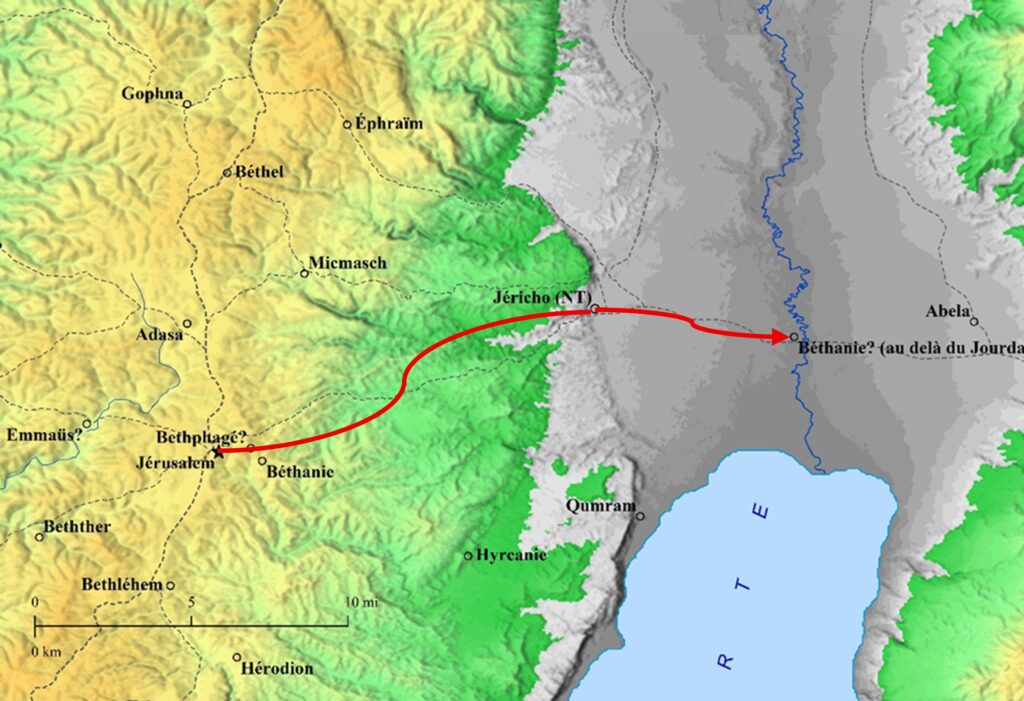
Luke does not adopt a strictly defined chronology. This information remains vague and general, with no mention of a specific date. This discourse may be placed during a return to Bethany, beyond the Jordan.
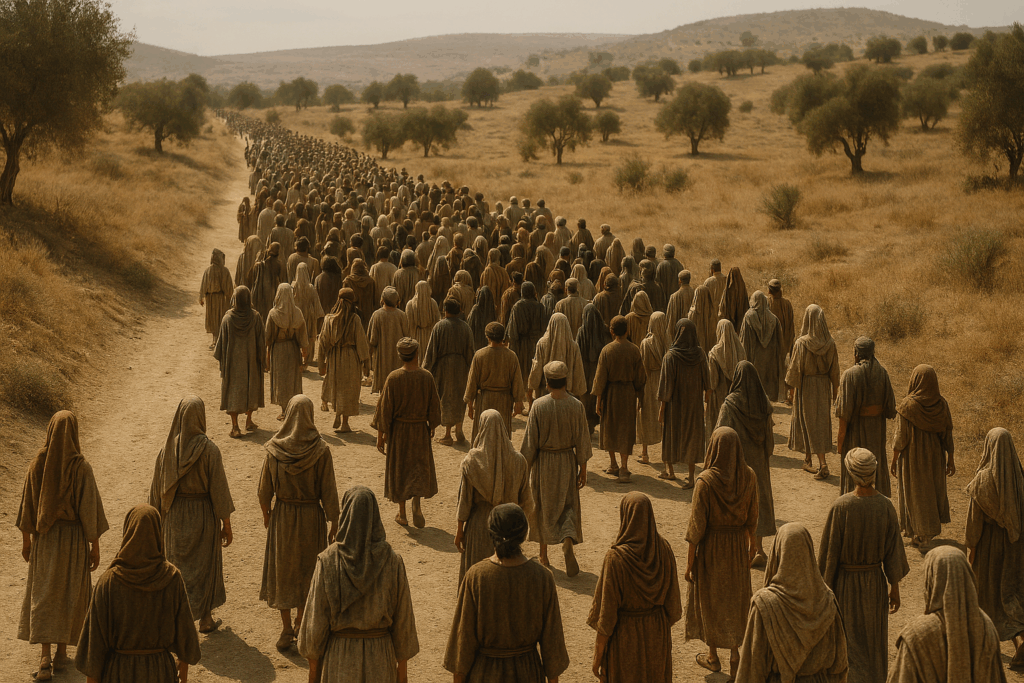
These accounts of Luke are placed chronologically after the , which took place from Thursday, October 7 to Wednesday, October 13, 32. This particular discourse would have taken place during the return from Jerusalem after the of December 4, 32. It emerges from these facts that, in the province of Judea, a large crowd accompanied the Messiah Jesus. During the journey, the Messiah Jesus would stop from time to time to deliver concise messages, designed to be easily memorized.
Luke 14.26 emphasizes in particular the nature of the commitment that the Messiah Jesus asks for.
A strong language for a demanding reality
The word “hate” here does not mean emotional hatred, but an absolute preference for the Messiah Jesus: one must be ready to sacrifice everything, even the dearest ties, in order to follow him.
The Messiah Jesus does not try to soften his message: he wants disciples committed to the very end, not occasional followers.
Carrying one's cross
This means accepting suffering, rejection, and even death in order to remain faithful to the Messiah Jesus.
It is an invitation to live a courageous faith, one that does not shrink back from trials.
Context
The Messiah Jesus addresses a large crowd: he wants everyone to measure the cost of choosing to follow him.
This passage echoes Luke 9.23 and Matthew 10.37, where the Messiah Jesus insists on the absolute priority of the Kingdom.
This text may seem harsh, but it reveals the depth of the commitment that the Messiah Jesus offers: a transformed, free, yet demanding life.
The Messiah Jesus can have only one place in the lives of his disciples: the first.