
This passage echoes the account of Matthew 10.1-15, also found in Mark 6.6-13 and Luke 9.1-6, studied in the analysis of the pericope PER162. At that stage, it concerned the twelve apostles. Now the Messiah Jesus extends his field of action and commissions, according to a similar pattern, seventy additional disciples.
This detail suggests that a sizeable group now accompanied the Messiah Jesus. It is likely that these disciples came mainly from Galilee and had followed their Master throughout his journeys across Samaria on the way to Jerusalem in his company.
Here is a comparison between Matthew 10.1-15 (PER162) and Luke 10.1-16, two passages in which the Messiah Jesus sends out disciples on a mission:
The number of disciples sent
Matthew 10.1-15 : The Messiah Jesus sends out the twelve apostles.
Luke 10.1-16 : The Messiah Jesus sends out seventy (or seventy-two) disciples.
This shows an extension of the mission: first to the apostles, then to a wider circle.
The mission entrusted to them
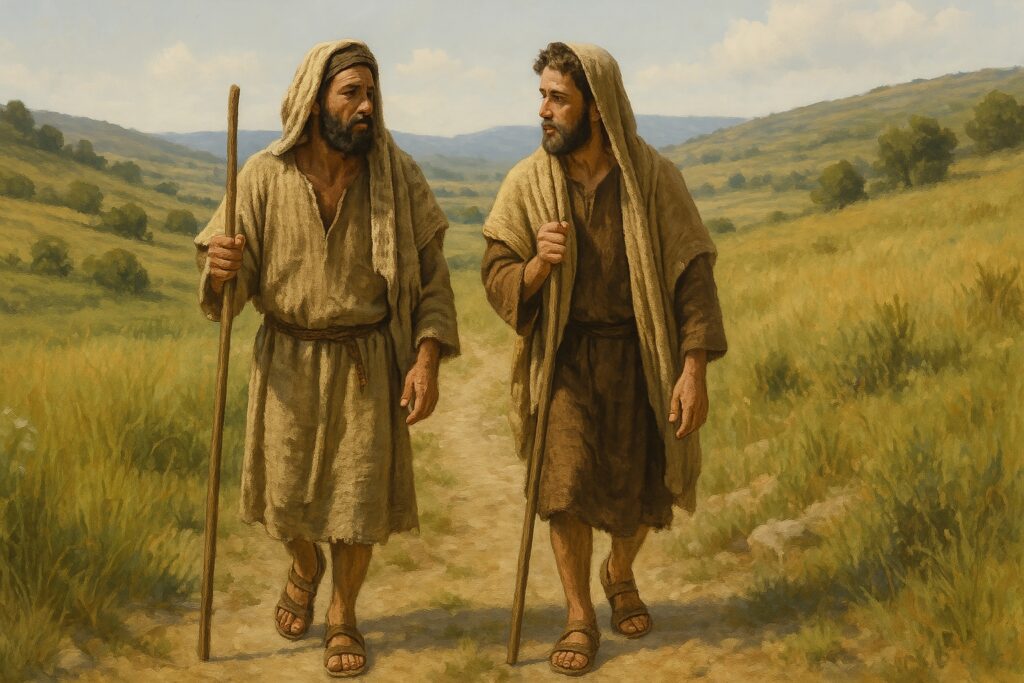
In both cases, the disciples are to go two by two and proclaim that the Kingdom of God is near, heal the sick and manifest the divine power.
The practical instructions : take no money, no bag and no sandals (Luke is more explicit), stay in the house that welcomes them. Do not go from house to house. Eat what is offered to them.
The scope of the mission
Matthew 10.1-16 : The mission is limited to the lost sheep of Israel.
Luke 10.1-16 : The mission appears more universal, with no explicit ethnic restriction.
The rejection of the message
In both passages:
Those who reject the disciples reject Jesus, and therefore God. There is a severe warning for the cities that refuse to listen (Chorazin, , Capernaum in Luke).
Tone and symbolism
Luke stresses urgency and the abundant harvest, with the image of the wolf among the sheep.
Matthew places more emphasis on the authority given to the apostles and their future role.
These two texts answer and complete each other: Matthew lays the apostolic foundations, Luke broadens the missionary vision.
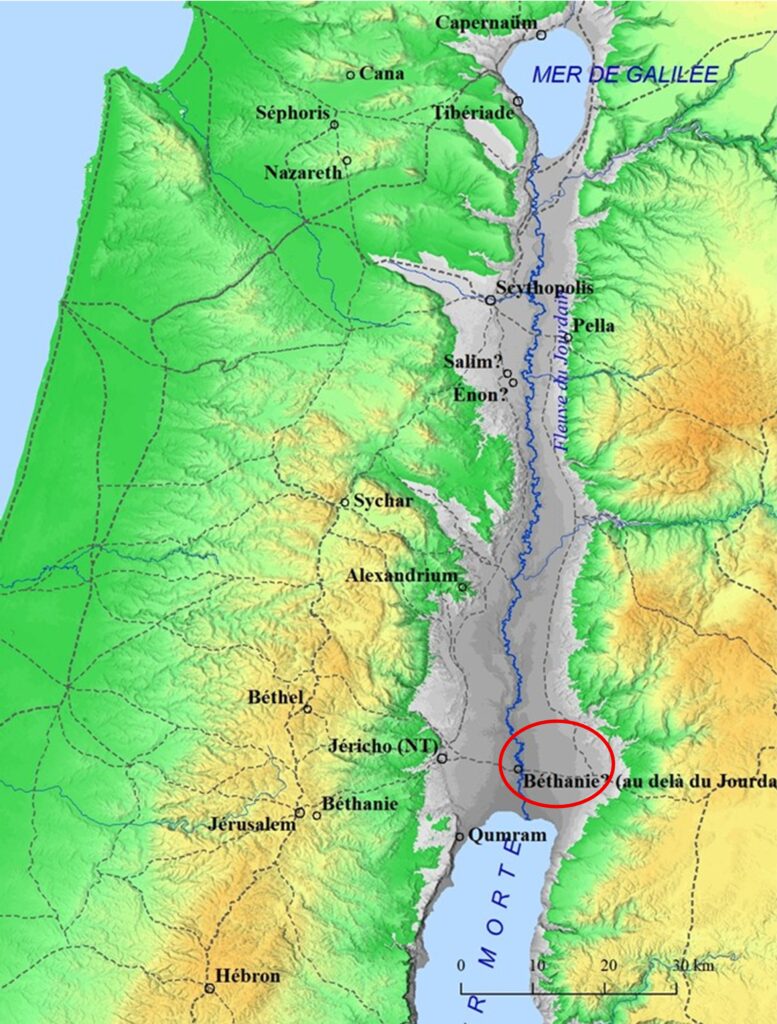
This evangelistic campaign seems to have taken place in Judea, near Jerusalem, probably before the arrival of the winter cold, probably in November.
It appears that the Messiah Jesus, aware that his end was approaching, conferred greater responsibilities on the apostles as well as on the disciples, who would be charged with continuing his mission after his death. According to the account, the decisions seem to result from careful and structured planning. The members chosen have the skills required to fulfill these new ministerial functions, and their effectiveness in prayer is underscored by the results obtained.
The risk of an unfavorable reception is taken into account, and the Messiah Jesus warns his disciples that they should not fear such a possibility, stressing that the people concerned will bear the consequences of their refusals. The Master refers to the three cities mentioned in Matthew 11.20-24: Chorazin, and Capernaum.
He draws a comparison between these cities and Tyre, Sidon and Sodom, which are known in the Old Testament for their sins and their destruction. He maintains that these non-Jewish cities would have shown repentance had they witnessed the same signs. This remark highlights a severe criticism of the spiritual blindness of those who nevertheless had every reason to believe.
These three cities form a geographical triangle in Galilee, the region in which the Master carried out most of his ministry.
The Messiah Jesus speaks here of the Day of Judgment, stressing that the refusal of grace brings eternal consequences. This is not an impulsive condemnation, but a word of truth and wounded love.
This text is not meant to frighten, but to awaken. It reminds us that faith is not a passing emotion, but a free and committed response to God’s call.
Was the exact number of disciples 70 or 72?