
PER145

The parable of the leaven

The parable of the leaven (Mt 13.33-35; Lk 13.20-21) illustrates the quiet but powerful growth of the kingdom of God. Just as leaven transforms all the dough, the kingdom works gradually in people's hearts. Matthew links this teaching to the fulfillment of Psalm 78.2. Every believer is called to play an active role in this spread. Delivered near Capernaum around November–December 31, it is the fourth parable in the great discourse of Matthew 13.

4 min parable of the leaven kingdom of God Matthew 13 Luke 13 growth 4 verses 4 books

See also

Bible texts

Matthew
Matthew 13.33-35 (King James Version)

Another parable spake he unto them; The kingdom of heaven is like unto leaven, which a woman took, and hid in three measures of meal, till the whole was leavened.

All these things spake Jesus unto the multitude in parables; and without a parable spake he not unto them:

That it might be fulfilled which was spoken by the prophet, saying, I will open my mouth in parables; I will utter things which have been kept secret from the foundation of the world.

Mark
Mark (King James Version) not mentioned in the book
Luke
Luke 13.20-21 (King James Version)

And again he said, Whereunto shall I liken the kingdom of God?

It is like leaven, which a woman took and hid in three measures of meal, till the whole was leavened.

John
John (King James Version) not mentioned in the book

Technical details

Bar chart for the year 31

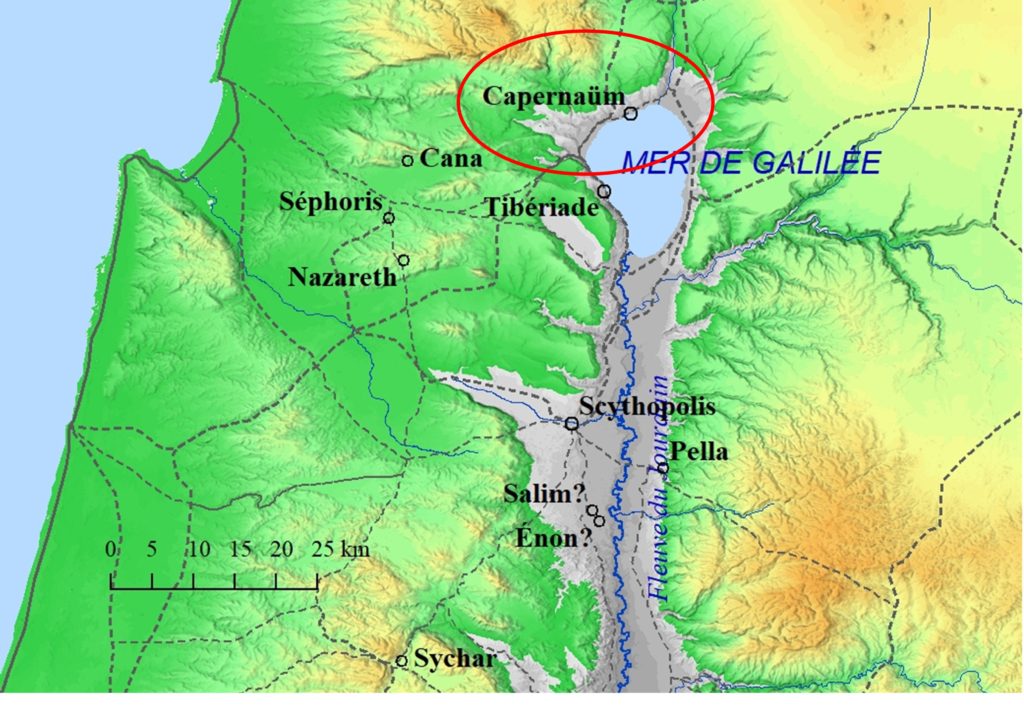
Location: A small bay along the shores of , near Capernaum in Galilee.

Date: November or December 31

Approach: We follow Matthew

Note on the approach: Luke also mentions this .

Capernaum

Matthew's fourth connected with this major discourse.

The parable of the leaven

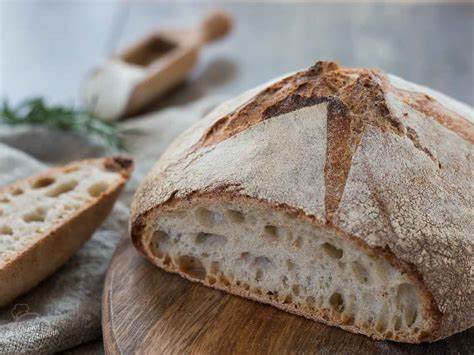
Bread

Commentary

This uses the image of leaven to illustrate how the kingdom of God, although small at first, gradually influences and transforms everything it touches.

Explanation of the parable

1. Leaven as a symbol: Leaven, although small in quantity, has an enormous impact on all the dough. It represents the kingdom of God, which begins modestly but gradually influences and transforms everything it touches.

2. Gradual transformation: The shows how the kingdom of God grows and spreads invisibly yet powerfully. Just as leaven makes all the dough rise, the kingdom of God transforms people's hearts and lives in a profound and lasting way.

3. Active role: The woman who mixes the leaven into the flour symbolizes believers who bring the values of the kingdom of God into the world. It is a reminder that every individual has a role to play in the spread and growth of the kingdom.

Matthew includes a note explaining that Jesus always taught in parables to fulfill the prophecy (a reference to Psalms 78.2). Luke does not make this explicit connection with prophecy. This principle of development is relevant both to the disciple and to the Church.

Both passages illustrate the significant impact and growth of the kingdom of God. This phenomenon can be seen in the development of the Church. The Jewish inhabitants of Thessalonica, dissatisfied with the teachings of Paul and Silas, declared: "These people who have turned the world upside down have come here too" (Acts 17.6).