

PER092

The Sermon on the Mount (8): perjury

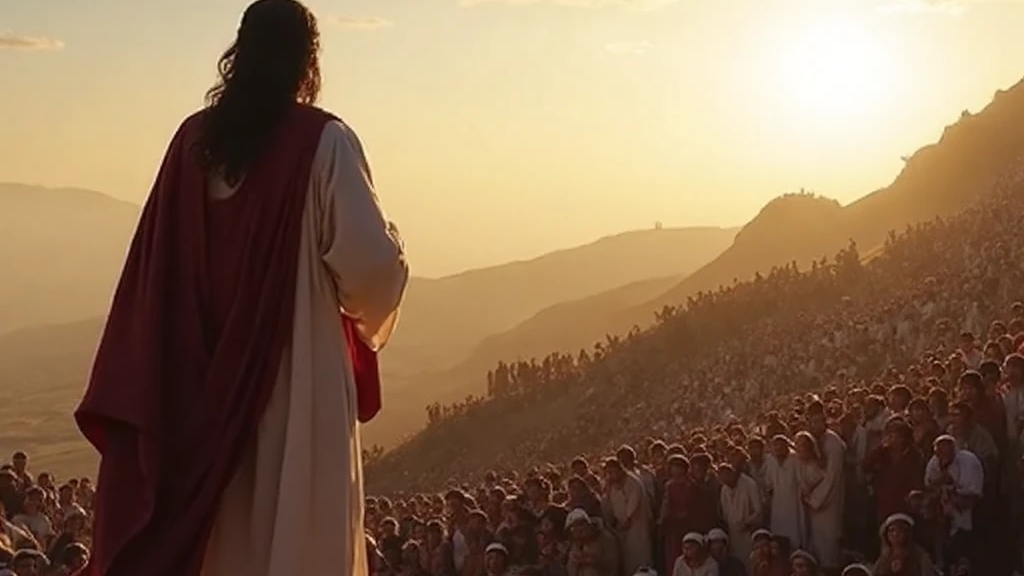
In the Sermon on the Mount, Jesus teaches about perjury (Matthew 5:33–37). Against the contemporary practice of conditional oaths, he requires simple, honest speech: let ‘yes’ be ‘yes’ and ‘no’ be ‘no’. Matthew is the only Gospel writer to report this teaching, as Luke addresses non-Jews less concerned with this practice. James 5:12 repeats this precept in the apostolic tradition.

3 min perjury oath Sermon on the Mount Matthew 5 truth 2 verses 2 books

Resources

Biblical texts

Matthew
Matthew 5.33-37 (King James Version)

Again, ye have heard that it hath been said by them of old time, Thou shalt not forswear thyself, but shalt perform unto the Lord thine oaths:

But I say unto you, Swear not at all; neither by heaven; for it is God’s throne:

Nor by the earth; for it is his footstool: neither by Jerusalem; for it is the city of the great King.

Neither shalt thou swear by thy head, because thou canst not make one hair white or black.

But let your communication be, Yea, yea; Nay, nay: for whatsoever is more than these cometh of evil.

Mark
Mark (King James Version) not cited in the book
Luke
Luke (King James Version) not cited in the book
John
John (King James Version) not cited in the book

Technical details

Bar chart for the year 31

Location: On the plateau below a mountain near Capernaum in Galilee

Date: After the Passover pilgrimage to Jerusalem on April 5, AD 31

Method: We continue with Matthew

Note on the approach: Matthew alone provides this information about perjury.

Capernaum

The Messiah addresses the breaking of oaths.

The Sermon on the Mount: perjury

Crowd

Comments

We are examining the Sermon on the Mount, divided into 23 sections.

Matthew continues with a new precept in which Jesus the Messiah denounces common practices of perjury and broken promises. At that time, taking oaths and swearing was common. However, if God was not involved in the oath, individuals could retract it.

Jesus' teaching goes further, specifying that oaths and swearing are unnecessary and that a person's word alone is binding. James 5.12 repeats these words. Jesus the Messiah encourages everyone to prohibit every kind of oath, avoid swearing and simply tell the truth. Thus, a ‘yes’ always remains a ‘yes’, and a ‘no’ remains a ‘no’.

This teaching addresses common problems and must have practical consequences in people's lives. Addressing foreigners unfamiliar with Mosaic law, Luke does not consider it useful to repeat this point.