
PER107

The Sermon on the Mount (23), the two houses

This article analyzes the parable of the two houses, illustrating the importance of solid spiritual foundations in the face of deceptive appearances and emphasizing the distinction between true and false disciples.

4 min sermon mountain parable houses disciples 3 verses 2 books

Resources

Biblical texts

Matthew
Matthew 7.24-27 (King James Version)

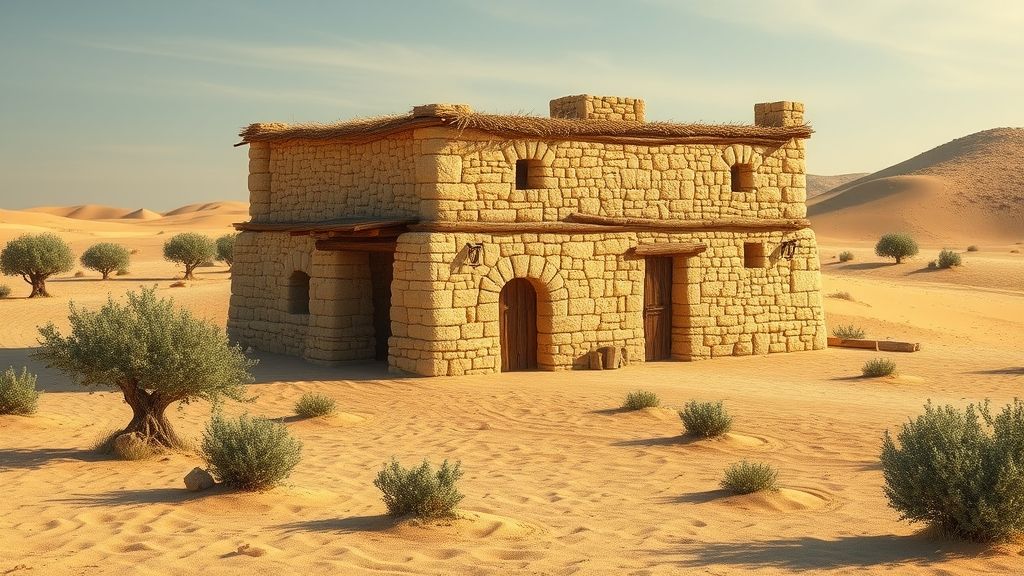
Therefore whosoever heareth these sayings of mine, and doeth them, I will liken him unto a wise man, which built his house upon a rock:

And the rain descended, and the floods came, and the winds blew, and beat upon that house; and it fell not: for it was founded upon a rock.

And every one that heareth these sayings of mine, and doeth them not, shall be likened unto a foolish man, which built his house upon the sand:

And the rain descended, and the floods came, and the winds blew, and beat upon that house; and it fell: and great was the fall of it.

Mark
Mark (King James Version) not cited in the book
Luke
Luke 6.47-49 (King James Version)

Whosoever cometh to me, and heareth my sayings, and doeth them, I will shew you to whom he is like:

He is like a man which built an house, and digged deep, and laid the foundation on a rock: and when the flood arose, the stream beat vehemently upon that house, and could not shake it: for it was founded upon a rock.

But he that heareth, and doeth not, is like a man that without a foundation built an house upon the earth; against which the stream did beat vehemently, and immediately it fell; and the ruin of that house was great.

John
John (King James Version) not cited in the book

Technical details

Bar chart for the year 31

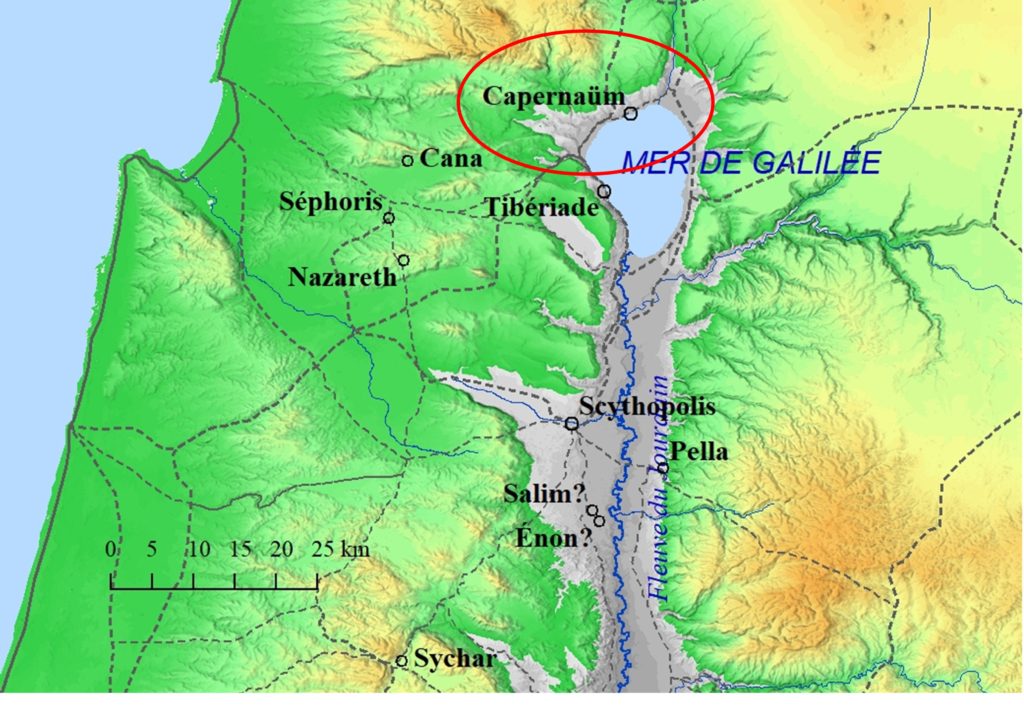
Location: On the plateau below a mountain near Capernaum in Galilee

Date: After the Passover pilgrimage to Jerusalem on April 5, AD 31

Method: We will continue with Matthew

Note on the method: Matthew addresses this subject in the context of the Sermon on the Mount, whereas Luke places this teaching at a later time

Capernaum

1/40 in Matthew. The two houses, one built on rock and the other on sand.

Comments

This comes at just the right moment. It will help us clarify several complex issues, particularly the distinction between true and false disciples. The of the weeds (Matthew 13.24-30) already sheds light on this subject.

This analogy compares the lives of two people through two types of construction. Appearances can be deceptive: the person building on sand progresses faster than the one building on rock. At first glance, the two buildings seem identical, and the one built on sand may even appear more attractive. The savings made on the foundations allow its builder to improve the building’s appearance. Although hidden, a house’s foundations are crucial to the strength of the structure.

It is during the storm that the true nature of the building, and therefore of the disciple’s life, will be revealed.

What really matters is not the appearance, but the strength of the construction. This hidden quality only becomes evident when something happens.

To summarize the points discussed earlier, it is important to note that appearances can be deceptive. The disciple is encouraged to act humbly and discreetly, keeping their actions private between themselves and their God. The listeners clearly associated the with the image of building on sand, which was precisely Jesus the Messiah’s intention.

We observe that there are only two possible choices. There are therefore no other alternatives, and the outcome will be entry into the Kingdom of God or Hell, being saved or lost.