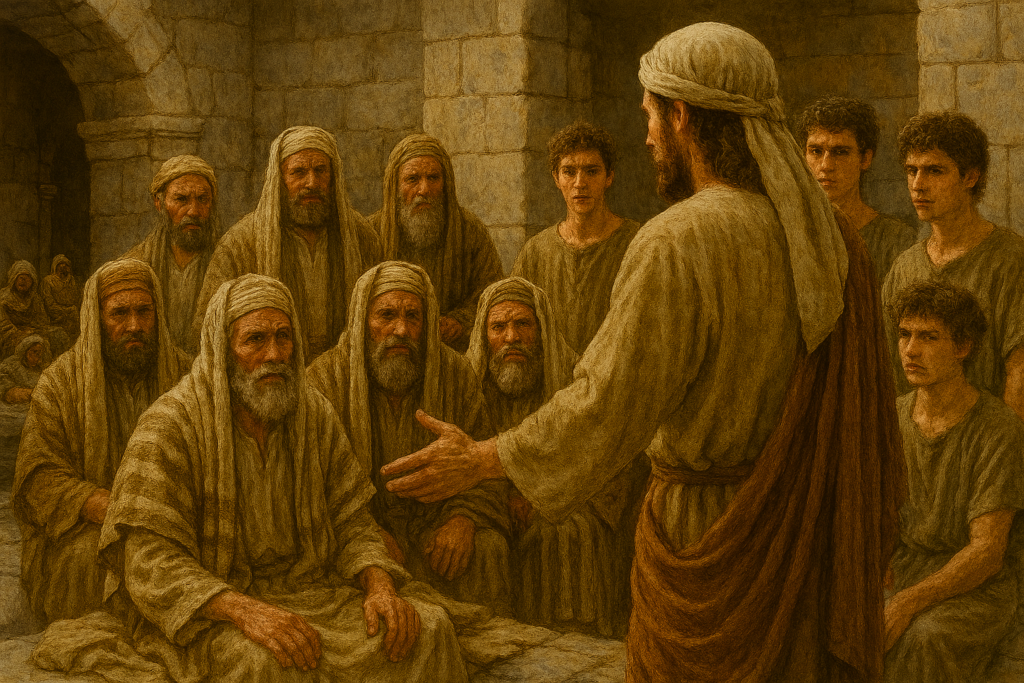

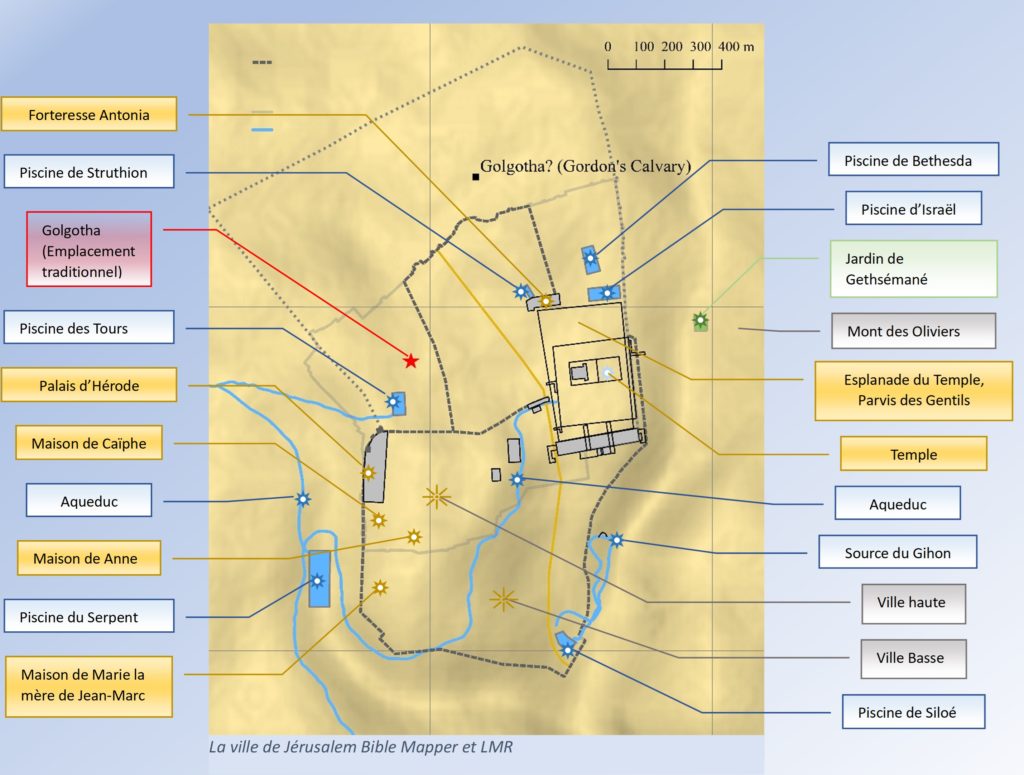
We continue our analysis of John's account, and it becomes clear that this is more than simply a description of another miracle. Indeed, the healing of this man, disabled for 38 years, is relegated to the background to make room for a demonstration that is crucial in the author's mind. Jesus the Messiah will meet this man again some time later (John 5.14), probably in the Temple court.
We thus reach the conclusion of John's demonstration: Jesus the Messiah places himself on an equal footing with God, proclaiming himself the Son of God. For a Jew, God cannot have a son, so this father-son relationship is perceived as blasphemy.
John's reasoning gradually unfolds. Jesus the Messiah could not perform all these miracles if he were not also God. John directly quotes the Teacher's words, which establish a direct connection between God the Father and himself, God the Son.
In conclusion, Jesus the Messiah affirms that the power he displays comes directly from God, who sent him into the world. After such a declaration, the religious leaders, along with all those listening, must decide where they stand: are they with the Son of God or against him? But since the Son is also God, this amounts to asking: are they with God or against God?