PER291

The parable of the vinedressers

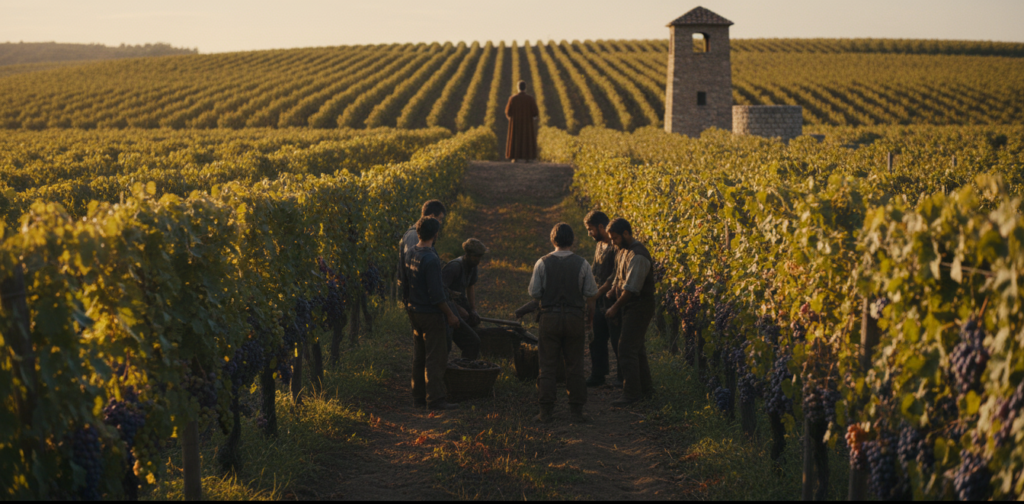
The parable of the vinedressers (Matt 21.33-46; Mark 12.1-12; Luke 20.9-19), spoken on Holy Tuesday in the courtyard of the Temple, illustrates the history of salvation allegorically: God sends prophets and then his Son, whom the religious leaders reject and kill. The vineyard is transferred to the Church, without however closing the door to the Jewish people, who can enter into the faith.

4 min parable of the vinedressers Jesus Temple of Jerusalem synopsis Holy Week 3 verses 3 books

Resources

Biblical texts

Matthew
Matthew 21.33-46 (King James Version)

Hear another parable: There was a certain householder, which planted a vineyard, and hedged it round about, and digged a winepress in it, and built a tower, and let it out to husbandmen, and went into a far country:

And when the time of the fruit drew near, he sent his servants to the husbandmen, that they might receive the fruits of it.

And the husbandmen took his servants, and beat one, and killed another, and stoned another.

Again, he sent other servants more than the first: and they did unto them likewise.

But last of all he sent unto them his son, saying, They will reverence my son.

But when the husbandmen saw the son, they said among themselves, This is the heir; come, let us kill him, and let us seize on his inheritance.

And they caught him, and cast him out of the vineyard, and slew him.

When the lord therefore of the vineyard cometh, what will he do unto those husbandmen?

They say unto him, He will miserably destroy those wicked men, and will let out his vineyard unto other husbandmen, which shall render him the fruits in their seasons.

Jesus saith unto them, Did ye never read in the scriptures, The stone which the builders rejected, the same is become the head of the corner: this is the Lord’s doing, and it is marvellous in our eyes?

Therefore say I unto you, The kingdom of God shall be taken from you, and given to a nation bringing forth the fruits thereof.

And whosoever shall fall on this stone shall be broken: but on whomsoever it shall fall, it will grind him to powder.

And when the chief priests and Pharisees had heard his parables, they perceived that he spake of them.

But when they sought to lay hands on him, they feared the multitude, because they took him for a prophet.

Mark
Mark 12.1-12 (King James Version)

And he began to speak unto them by parables. A certain man planted a vineyard, and set an hedge about it, and digged a place for the winefat, and built a tower, and let it out to husbandmen, and went into a far country.

And at the season he sent to the husbandmen a servant, that he might receive from the husbandmen of the fruit of the vineyard.

And they caught him, and beat him, and sent him away empty.

And again he sent unto them another servant; and at him they cast stones, and wounded him in the head, and sent him away shamefully handled.

And again he sent another; and him they killed, and many others; beating some, and killing some.

Having yet therefore one son, his wellbeloved, he sent him also last unto them, saying, They will reverence my son.

But those husbandmen said among themselves, This is the heir; come, let us kill him, and the inheritance shall be ours.

And they took him, and killed him, and cast him out of the vineyard.

What shall therefore the lord of the vineyard do? he will come and destroy the husbandmen, and will give the vineyard unto others.

And have ye not read this scripture; The stone which the builders rejected is become the head of the corner:

This was the Lord’s doing, and it is marvellous in our eyes?

And they sought to lay hold on him, but feared the people: for they knew that he had spoken the parable against them: and they left him, and went their way.

Luke
Luke 20.9-19 (King James Version)

Then began he to speak to the people this parable; A certain man planted a vineyard, and let it forth to husbandmen, and went into a far country for a long time.

And at the season he sent a servant to the husbandmen, that they should give him of the fruit of the vineyard: but the husbandmen beat him, and sent him away empty.

And again he sent another servant: and they beat him also, and entreated him shamefully, and sent him away empty.

And again he sent a third: and they wounded him also, and cast him out.

Then said the lord of the vineyard, What shall I do? I will send my beloved son: it may be they will reverence him when they see him.

But when the husbandmen saw him, they reasoned among themselves, saying, This is the heir: come, let us kill him, that the inheritance may be ours.

So they cast him out of the vineyard, and killed him. What therefore shall the lord of the vineyard do unto them?

He shall come and destroy these husbandmen, and shall give the vineyard to others. And when they heard it, they said, God forbid.

And he beheld them, and said, What is this then that is written, The stone which the builders rejected, the same is become the head of the corner?

Whosoever shall fall upon that stone shall be broken; but on whomsoever it shall fall, it will grind him to powder.

And the chief priests and the scribes the same hour sought to lay hands on him; and they feared the people: for they perceived that he had spoken this parable against them.

John
John (King James Version) not cited in the book

Technical details

AD 33

Location: The courtyard of the Temple of Jerusalem

Date: Tuesday, March 29, AD 33

Method: We return to Matthew

Note on the method: Mark and Luke also report this discourse

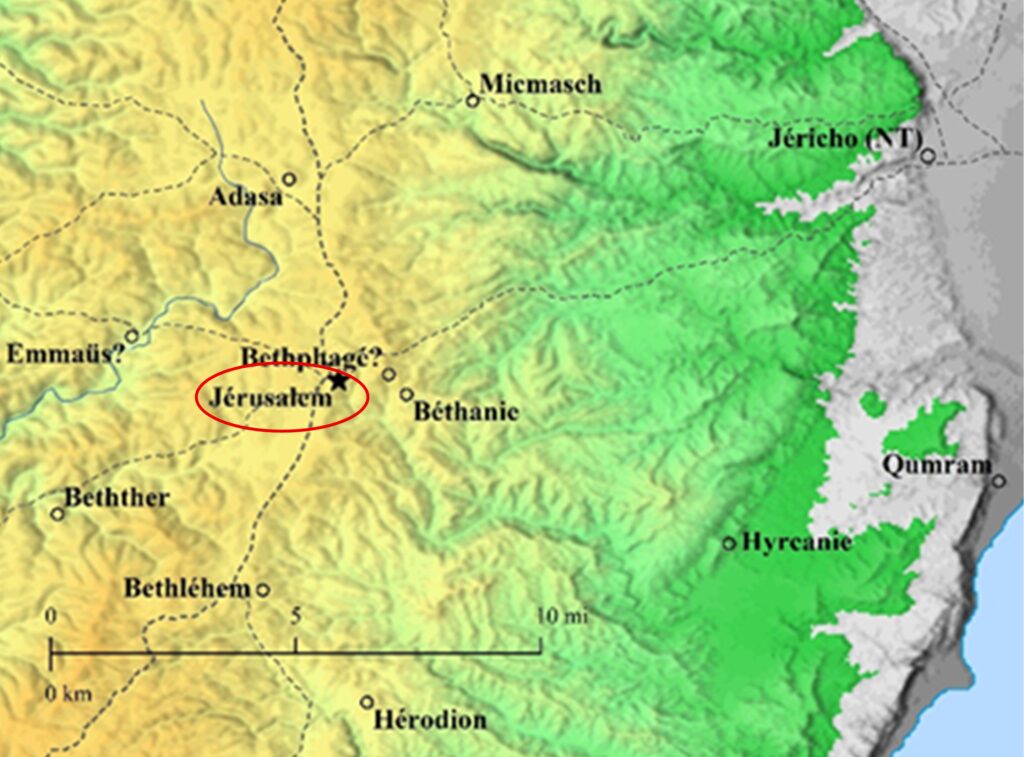
Map of Jerusalem and Its Surroundings
Bar graph Tuesday, March 29

The Messiah Jesus proclaims to the attentive crowd another that speaks of vinedressers.

Comments

We return to Matthew for this second , but also to Mark and even Luke. The text is long and well documented. This account, surely a summary, can be read aloud in 2 minutes, which means that the crowd is attentive to the words of the Master.

The Messiah Jesus is therefore the main character, the one who speaks and whom everyone listens to. He has the authority to captivate the crowd for long stretches. The religious authorities envy him this charisma.

There is no more dialogue; everyone is now silent to listen. The situation, rare in this usually so noisy Jewish world, is impressive. The Master speaks!

God expects good results men. They are disappointing, so he decides to send three different servants, who will be killed, and then he sends his beloved Son, surely his only one, so that they will listen to him. They will murder him too.

The listeners grasp the meaning of this , but without really understanding the death of the son.

Matthew and Mark clearly note the reaction of the religious leaders, who realized that the Messiah Jesus was speaking about them. They only want to silence this voice that speaks to them too forcefully.

The vineyard will finally be taken away from the Jews and lent to the Church. This does not close the door to them, however; they too can enter the assembly of believers through faith.