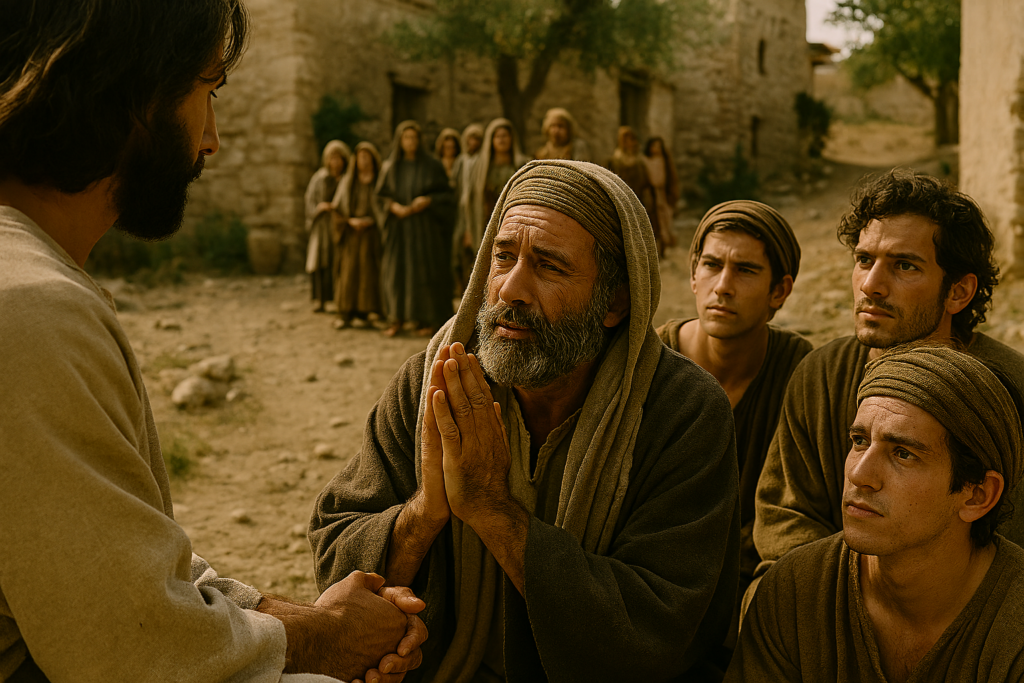
The synagogue
A synagogue is a place of worship, teaching and gathering for the Jews. Here are some key points to better understand what a synagogue is:
Main functions:
Lieu de prière : La synagogue est utilisée pour la prière communautaire et individuelle. Elle abrite les services religieux réguliers, y compris les prières quotidiennes, le Shabbat et les fêtes juives.
Étude et éducation : C'est un centre d'apprentissage où l'on étudie la Torah (les cinq premiers livres de la Bible hébraïque) et d'autres textes sacrés. Les synagogues organisent souvent des cours pour les enfants et les adultes.
Rassemblement communautaire : La synagogue sert de lieu de rassemblement pour la communauté juive, offrant un espace pour des événements sociaux, des discussions communautaires et des célébrations.
Architectural and symbolic elements:
Arche sainte (Aron Kodesh) : L'arche sainte est une structure ornée où sont conservés les rouleaux de la Torah. Elle est généralement située à l'avant de la synagogue, orientée vers Jérusalem.
Bimah : Une plateforme surélevée d'où l'on lit la Torah et d'autres textes pendant les services. La bimah est souvent située au centre ou à l'avant de la synagogue.
Ner Tamid : Une lampe éternelle qui brûle constamment près de l'arche sainte, symbolisant la présence perpétuelle de Dieu.
Key roles and people:
Rabbi: The rabbi is a spiritual leader and teacher who leads the religious services, gives sermons and offers spiritual and ethical guidance to the community.
Hazzan (cantor): The hazzan leads the sung prayers and hymns during religious services.
Gabbai: A person responsible for organizing the services and managing the day-to-day affairs of the synagogue.
Varieties of synagogues:
Synagogues can vary according to the religious movements within Judaism, such as Orthodox, Conservative and Reform, each with its own specific traditions and practices.
In summary, the synagogue is a vital center of religious, educational and community life for the Jews, offering a space where faith, culture and community meet.
Jesus the Messiah, through his teachings and his miracles, left a deep mark on the synagogues of his time, central places of Jewish religious life. Whether teaching with unparalleled authority or healing people possessed by unclean spirits, as the accounts of Mark 1.23-28 and Luke 4.33-37 show, Jesus the Messiah used the synagogues as places for the revelation of his ministry. In these places of worship and teaching, he proclaimed the good news of the Kingdom of God and demonstrated his divinity through acts of compassion and power, often confounding the religious authorities of the time by his profound understanding of the Scriptures and his ability to perform miracles.