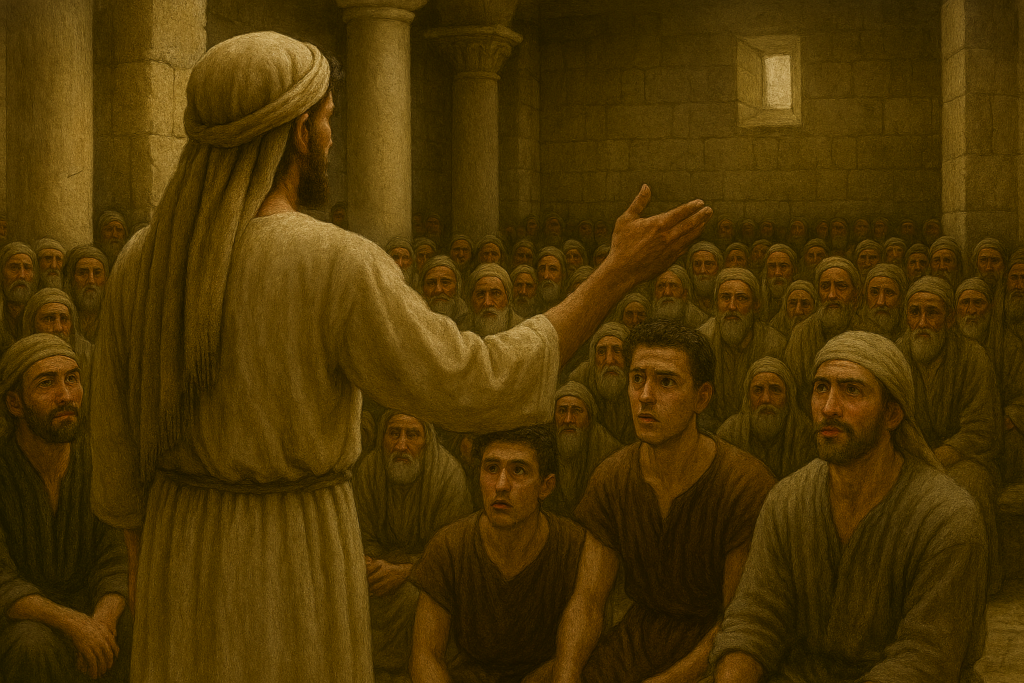
The Sabbath
The Sabbath is a day of rest and sanctification in Jewish tradition, observed from Friday evening to Saturday evening. Here are some important points to know about the Sabbath:
Origins and meaning
Commandement Biblique : Le sabbat est l'un des Dix Commandements donnés par Dieu à Moïse sur le mont Sinaï. Il est mentionné à plusieurs reprises dans la Torah, notamment dans Exode 20.8-11 et Deutéronome 5.12-15.
Création : Le sabbat commémore le jour de repos de Dieu après les six jours de la création, tel que décrit dans Genèse 2.2-3.
Libération d'Égypte : En plus de la création, le sabbat est aussi un rappel de la libération des Israélites de l'esclavage en Égypte, symbolisant la liberté et la sanctification.
Observance and practices
Repos : Le sabbat est un jour de repos complet où les travaux créatifs (appelés "melakhot") sont interdits. Cela inclut des activités comme cuisiner, écrire, allumer un feu, et plus encore.
Célébration : Le sabbat commence le vendredi soir avec un repas festif, souvent précédé par l'allumage des bougies du sabbat. Des prières spéciales, comme le Kiddouch (sanctification), sont récitées.
Services Religieux : Les juifs pratiquants assistent aux services religieux dans les synagogues, où des lectures spéciales de la Torah et des prières sont effectuées.
Temps en Famille et Spiritualité : Le sabbat est aussi un moment de rassemblement familial, d'étude de la Torah, et de réflexion spirituelle.
Spiritual importance
Relationship with God: The Sabbath is a time devoted to spirituality and strengthening one's relationship with God, a time of physical and spiritual rest.
Community: The Sabbath encourages community and family gatherings, strengthening social and religious ties.
The meaning of the Sabbath for Jews
Pour les Juifs, le sabbat est bien plus qu'un simple jour de repos. Il est un rappel hebdomadaire de la création du monde et un symbole du pacte entre Dieu et le peuple d'Israël. Le sabbat est un temps sacré dédié à la prière, à la réflexion spirituelle, et à la communion familiale et communautaire.
L'observation du sabbat implique l'abstention de tout travail, la participation à des services religieux à la synagogue, la préparation de repas spéciaux et la célébration en famille. C'est un moment pour se détacher des préoccupations matérielles et se concentrer sur le spirituel, renforçant ainsi les liens avec Dieu et avec les proches.
Sabbath observance in Jesus' time
Au temps de Jésus, le sabbat avait une grande importance religieuse et sociale. Les lois du sabbat étaient scrupuleusement observées, et les pharisiens, ainsi que les scribes, étaient particulièrement vigilants quant au respect strict de ces lois. Ils avaient élaboré un ensemble détaillé de règles pour déterminer ce qui était considéré comme un "travail" interdit le jour du sabbat.
Jésus, cependant, a souvent défié ces interprétations rigides des lois du sabbat. Par exemple, il a guéri des malades le jour du sabbat, ce qui a provoqué des controverses avec les autorités religieuses de son temps. Jésus a enseigné que le sabbat a été fait pour l'homme, et non l'homme pour le sabbat (Marc 2.27), soulignant ainsi l'importance de la compassion et de l'humanité par rapport aux règles strictes.
L'approche de Jésus vis-à-vis du sabbat mettait en lumière l'idée que les lois religieuses devaient servir le bien-être des gens, plutôt que devenir des fardeaux oppressifs. Cette perspective a contribué à des tensions entre lui et les autorités religieuses, et a joué un rôle dans les conflits qui ont finalement conduit à sa crucifixion.
The Sabbath is a central institution of Judaism, symbolising rest, sanctification and the relationship with God. It plays an essential role in Jewish religious and social life, offering a weekly pause devoted to reflection, prayer and fellowship with loved ones.