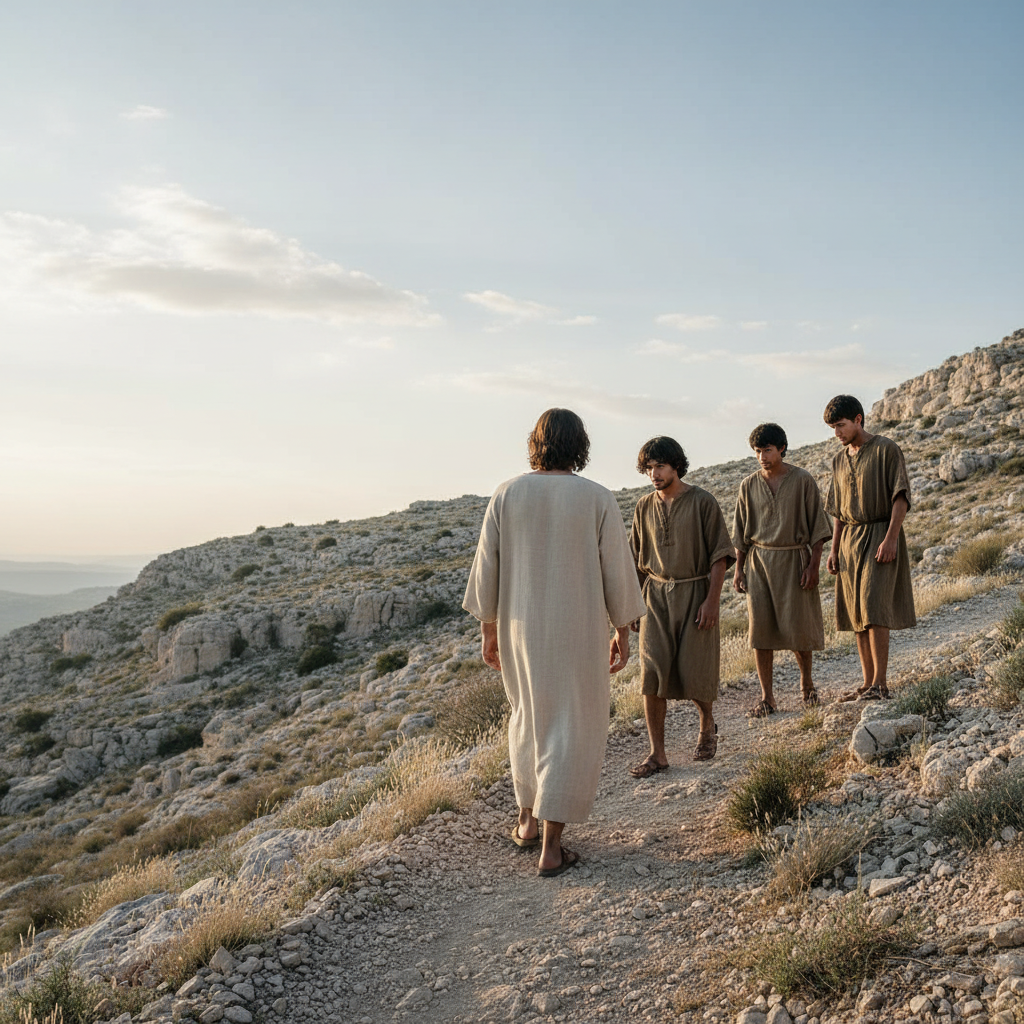

After the transfiguration, the Messiah Jesus and his three apostles come down from the mountain to rejoin the other disciples and the crowd. He instructs them to keep this event secret until the resurrection. Mark specifies that they wondered what “rising from the dead” meant, not yet understanding the death of their Master. Luke indicates that they kept silent. Before reaching the crowd, they question the Messiah Jesus.
The disciples who had stayed behind thought that the Master and their friends had simply gone away to pray. It is likely that these disciples were not idle during this time and were speaking with the crowd while waiting for the Master's return. They assumed that the others had gone away to pray. The apostles already had experience in evangelism and in praying for the sick.
It is remarkable that the Master required his disciples not to disclose this extraordinary event on the mountain before the resurrection. At that moment, they did not understand the Master's instruction. Nevertheless, they kept their commitment, and it was only much later, after the resurrection, that they shared this experience with their colleagues Matthew and Luke, as well as Mark, who worked with Peter. These writers included this episode in their accounts.
As an explanation for this prohibition, we believe that it would have created difficulties within the group, some not believing in the feasibility of this event. Moreover, discussing the subject before a large audience would also have produced considerable debates because of differing opinions about the credibility of the facts.
Consequently, we must recognize that this event was intended exclusively for Peter, James and John, probably in order to strengthen their faith in view of the important responsibilities they would have to assume.
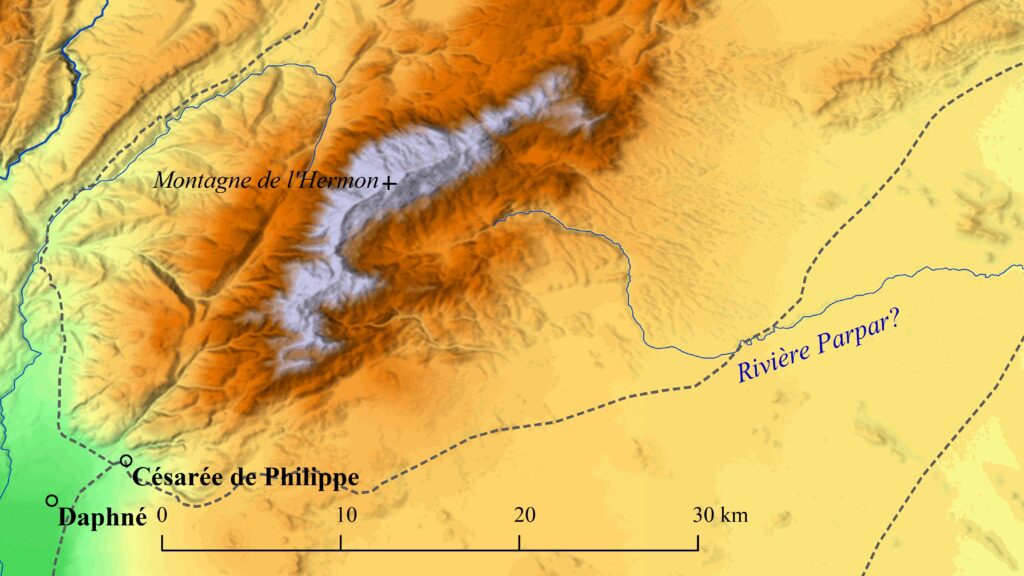
On their arrival on the plain near Caesarea Philippi, the Messiah Jesus meets the crowd and answers questions, beginning with those of his disciples. The question we are about to address was probably asked by Peter before they rejoined the crowd.