PER007

The birth of John the Baptist

The article discusses the birth of John the Baptist, the son of Zechariah and Elizabeth. His birth, described as miraculous, is accompanied by prophecies and recalls ancient biblical accounts. John, whose name means "God is gracious", is announced by Gabriel and will become a forerunner of the Messiah.

4 min John the Baptist miraculous birth prophecy Zechariah Elizabeth 3 verses 3 books

See also

Bible texts

Matthew
Matthew (King James Version) not mentioned in the book
Mark
Mark (King James Version) not mentioned in the book
Luke
Luke 1.57-66 (King James Version)

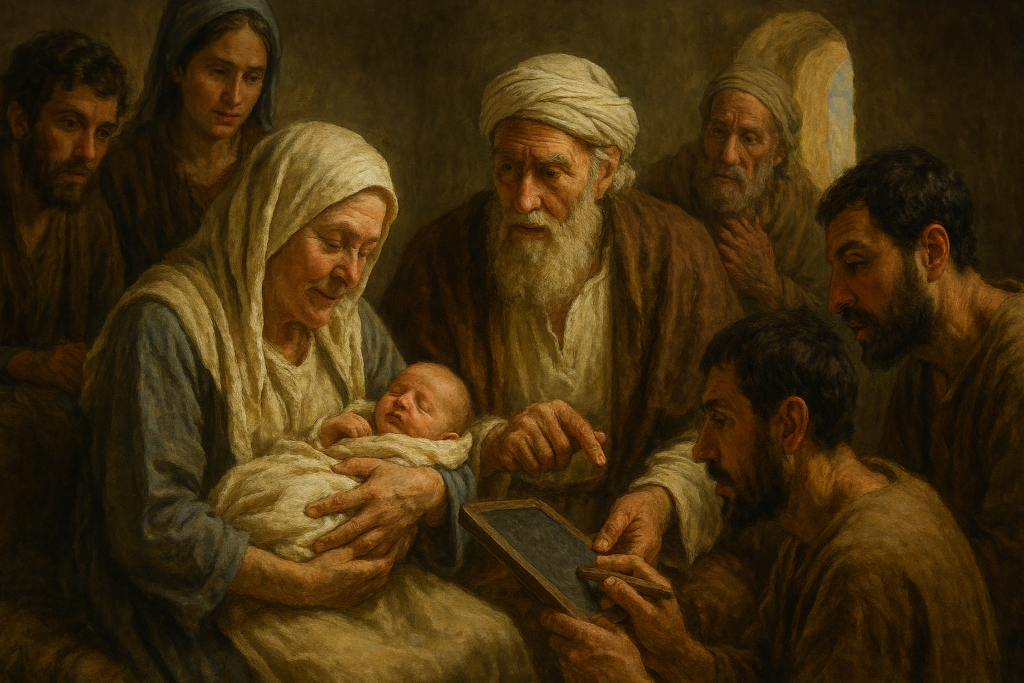
Now Elisabeth’s full time came that she should be delivered; and she brought forth a son.

And her neighbours and her cousins heard how the Lord had shewed great mercy upon her; and they rejoiced with her.

And it came to pass, that on the eighth day they came to circumcise the child; and they called him Zacharias, after the name of his father.

And his mother answered and said, Not so; but he shall be called John.

And they said unto her, There is none of thy kindred that is called by this name.

And they made signs to his father, how he would have him called.

And he asked for a writing table, and wrote, saying, His name is John. And they marvelled all.

And his mouth was opened immediately, and his tongue loosed, and he spake, and praised God.

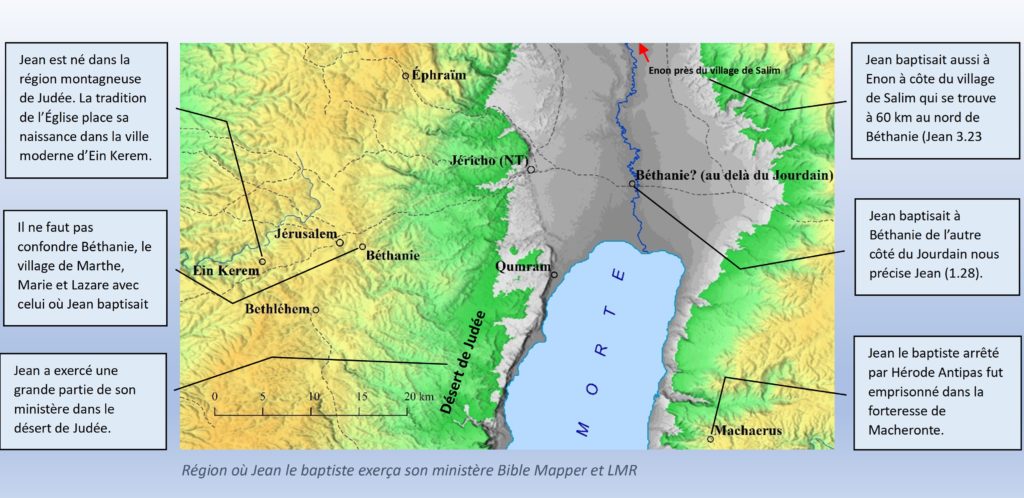
And fear came on all that dwelt round about them: and all these sayings were noised abroad throughout all the hill country of Judæa.

And all they that heard them laid them up in their hearts, saying, What manner of child shall this be! And the hand of the Lord was with him.

John
John (King James Version) not mentioned in the book

Technical details

Location: Most likely Ein Karem, near Jerusalem in Judea

Date: April -2 BC

Method: We continue with Luke

Note on the method: Luke alone records this episode

The birth of John the Baptist

John the Baptist spends his entire life in Judea

Birth of John the Baptist

Birth of John the Baptist

Commentary

All the villagers eagerly awaited the birth of this child. Elizabeth's advanced age suggested that her chances of becoming a mother were coming to an end. Zechariah's condition, having become mute for the nine months of the pregnancy, also astonished those who witnessed it. It is therefore understandable that the arrival of this child raised questions.

We know that Zechariah continued to carry out his duties in the temple, which suggests that he had not yet reached the retirement age of 50 (Numbers 4.3). His wife, probably younger, was considered barren by the standards of the time. By comparison, a Jewish man in the first century often already had a large family by the age of 25.

The choice of name does not follow tradition, but Zechariah obeys the instructions of the angel Gabriel. "John" means "God is gracious". This meaning is reflected in his miraculous birth, but also in his prophetic message in the wilderness announcing the Messiah as king.

The villagers, who have witnessed a birth considered unlikely, even impossible, conclude that this child will play an important role in the future. They do not fully understand what is happening; they are unaware that the birth of the Messiah is near. We note that they spread the news of this extraordinary birth, undoubtedly accompanied by personal comments and interpretations.

This birth must surely have reminded everyone of the story of Isaac, the son of Abraham and Sarah, as recounted in Genesis 22.1-18.

John belongs to the priestly class, descended from Levi through both his mother and his father, who served in the temple. We are given one detail about his youth: ‘the hand of the Lord was with him’. He will live according to the Nazirite vow, like the great prophets of Jewish history, in keeping with the instructions of the angel Gabriel.